Customers8 min
What a two-person agency taught us about speed
How one team went from a ticket queue to publishing in minutes.
Dee Marsh
Lessons from a team that ships calmly.
Their advice to other teams is simple: measure the time from "done" to "live", and treat every minute of it as a bug. This post covers what we changed, why, and what it means for you.
Guest contributors get access to their own drafts and nothing else, which removed a whole category of permission requests from the inbox.
What surprised them most was the calm. Launch days used to involve a war room; now they schedule posts the week before and go to lunch.
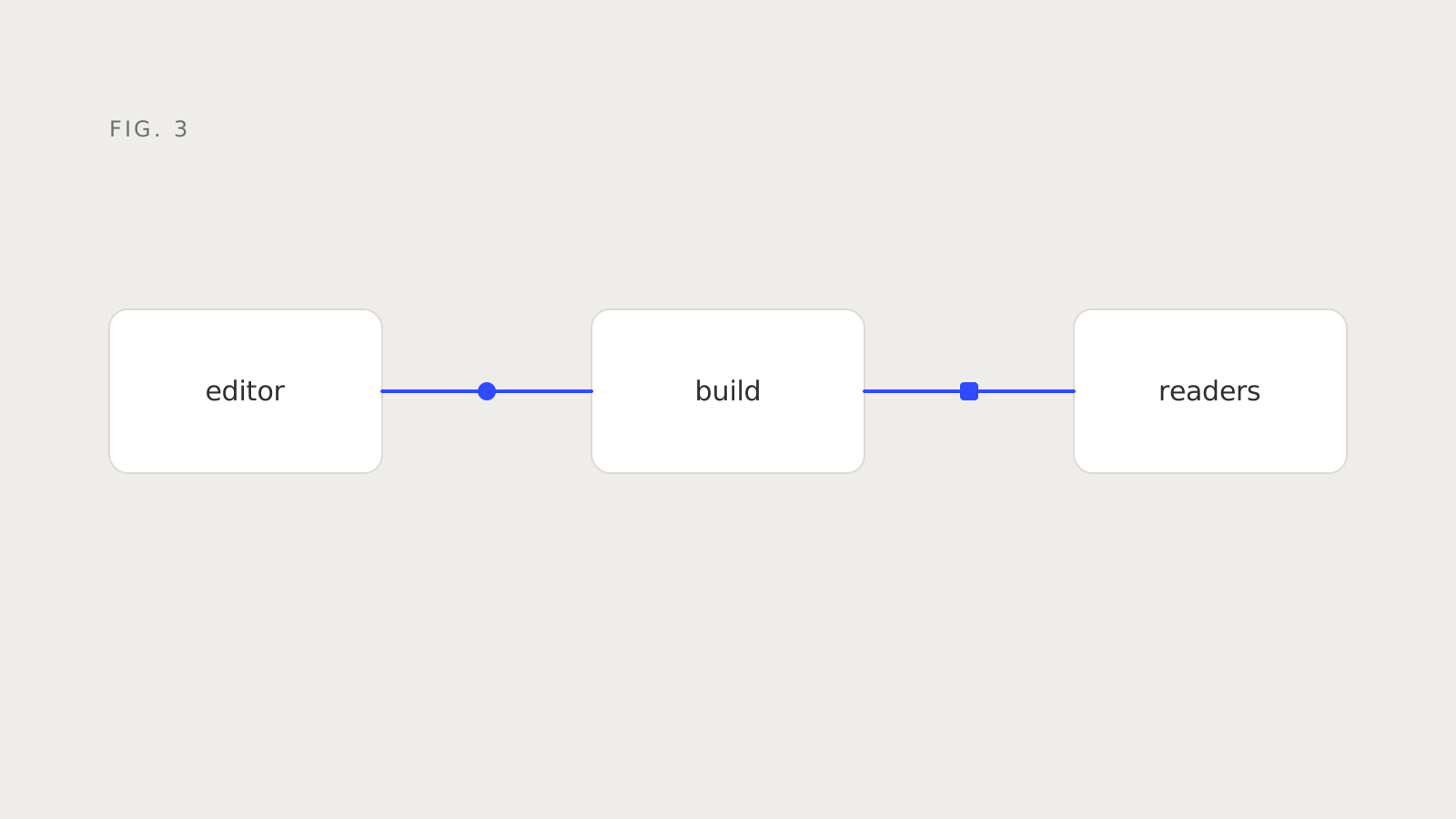
They started with a single project and expanded once the first launch went smoothly. Six months later, every team in the organization is on board.
Their editor-in-chief describes the old process as "a ticket and a prayer". Now a reporter fixes a typo and sees it live before they have closed the tab.
The team publishes several times a day, often from a phone between meetings. Before switching, every change waited in a queue for an engineer.
Their advice to other teams is simple: measure the time from "done" to "live", and treat every minute of it as a bug.
Guest contributors get access to their own drafts and nothing else, which removed a whole category of permission requests from the inbox.
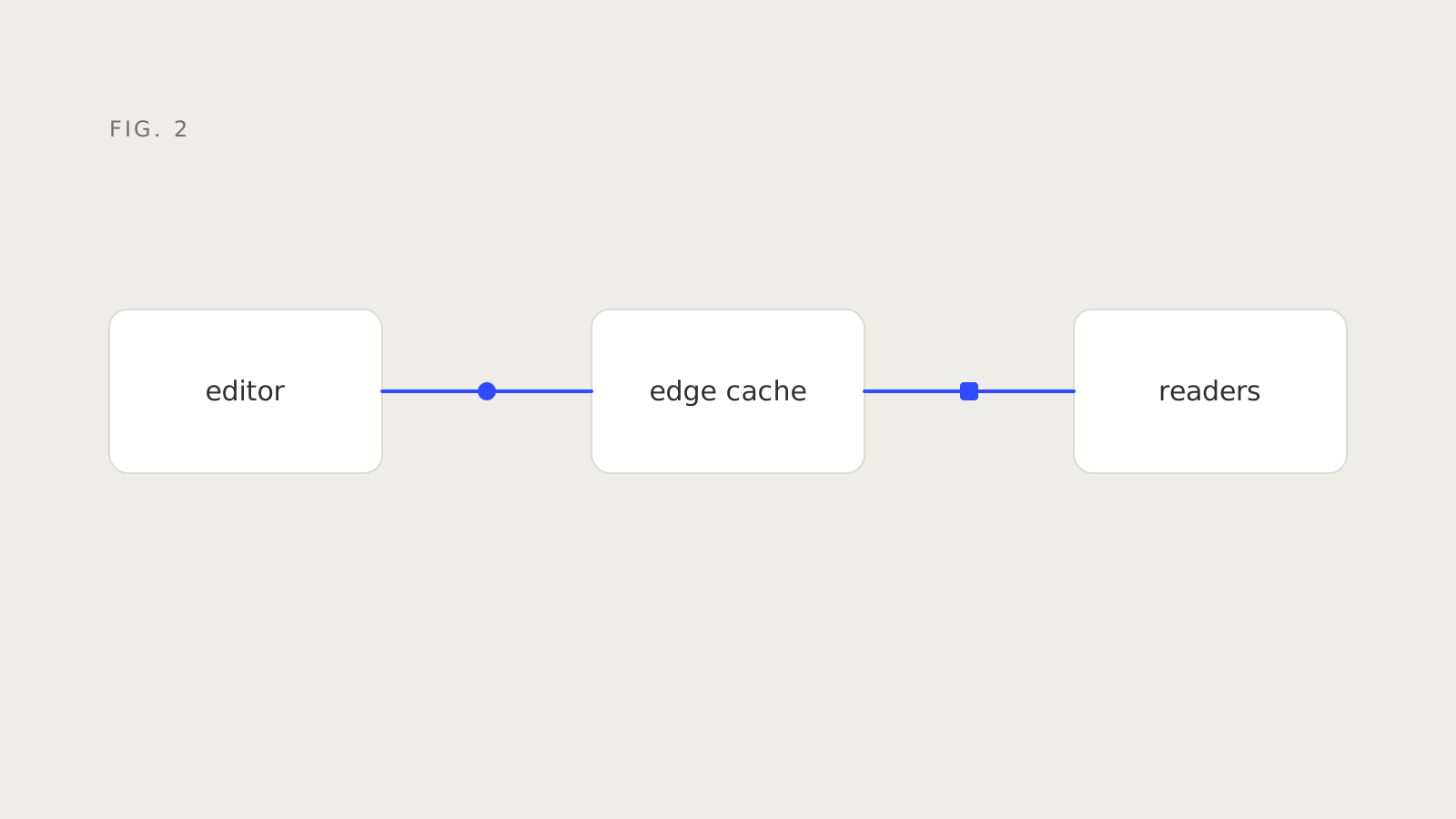
What surprised them most was the calm. Launch days used to involve a war room; now they schedule posts the week before and go to lunch.
They started with a single project and expanded once the first launch went smoothly. Six months later, every team in the organization is on board.
“Good defaults are invisible until they are missing.”
Their editor-in-chief describes the old process as "a ticket and a prayer". Now a reporter fixes a typo and sees it live before they have closed the tab.
The team publishes several times a day, often from a phone between meetings. Before switching, every change waited in a queue for an engineer.
“Good defaults are invisible until they are missing.”
Their advice to other teams is simple: measure the time from "done" to "live", and treat every minute of it as a bug.
Guest contributors get access to their own drafts and nothing else, which removed a whole category of permission requests from the inbox.
What surprised them most was the calm. Launch days used to involve a war room; now they schedule posts the week before and go to lunch.
“A cache key must include everything that can change the output, and nothing that cannot.”
Customers8 min
How one team went from a ticket queue to publishing in minutes.
Customers5 min
What changed for the people doing the work every day.
Customers8 min
What changed for the people doing the work every day.