Engineering8 min
What we learned rewriting log retention
What changed when we stopped guessing and started measuring every step.
Gus Heller
What changed when we stopped guessing and started measuring every step.
The fix was less clever than we expected. We cached what never changes, skipped what had not changed, and stopped doing work in series that could happen side by side. This post covers what we changed, why, and what it means for you.
Caching is easy to add and hard to trust. The rule we settled on is simple: a cache key must include everything that can change the output, and nothing that cannot.
Latency at the median improved, but the tail is what people feel. Our p95 dropped from 4.1 seconds to 900 milliseconds, and support tickets about slowness fell by more than half.
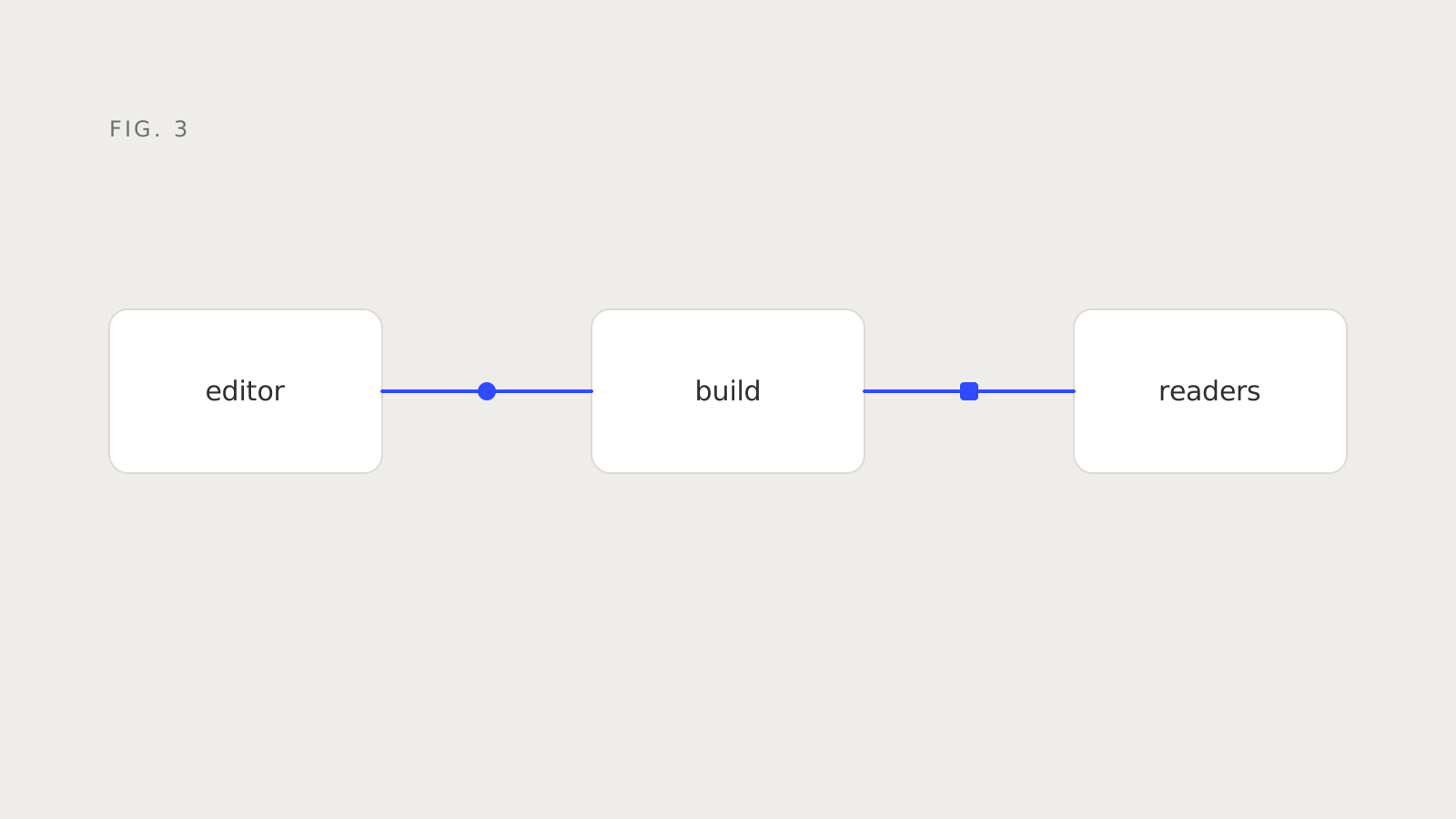
The part we underestimated was rollback. A faster pipeline is only better if you can undo it just as fast, so every deploy now keeps the previous version warm and one click away.
For most of last year, a full build took eleven minutes. Nobody decided that was acceptable; it simply grew there, one dependency and one test suite at a time, until waiting became part of the job.
None of this needed a new framework. It needed a clear owner, a dashboard people actually looked at, and permission to delete code that no longer earned its keep.
We started by measuring instead of guessing. Every step got a timer, every run wrote its numbers to a table, and within a week the picture was clear: most of the time went to setup, not to the work itself.
We kept the old path running next to the new one for two weeks and compared outputs byte for byte. Most differences were harmless. Three were real bugs that the old path had been hiding for years.
The fix was less clever than we expected. We cached what never changes, skipped what had not changed, and stopped doing work in series that could happen side by side.
export async function publish(post: Post) {
  const problems = validate(post);
  if (problems.length) return { ok: false, problems };
  await commit(post);
  return { ok: true, url: `/blog/${post.slug}/` };
}Caching is easy to add and hard to trust. The rule we settled on is simple: a cache key must include everything that can change the output, and nothing that cannot.
Latency at the median improved, but the tail is what people feel. Our p95 dropped from 4.1 seconds to 900 milliseconds, and support tickets about slowness fell by more than half.
const key = `${route}:${hash(content)}:${hash(template)}`;
const hit = await cache.match(key);
if (hit) return hit;Engineering8 min
What changed when we stopped guessing and started measuring every step.
Engineering4 min
The constraint, the fix, and the numbers before and after.
Engineering8 min
Why the boring fix beat the clever one, and how we proved it.